California health officials are urging Monterey County residents who aren't fully vaccinated against measles to contact a health care provider.
The Pan American Health Organization (PAHO) determined on Tuesday, Nov. 17, that the U.S. no longer holds measles elimination status, according to a joint statement from the West Coast Health Alliance distributed through the County of Monterey. The country had held that status since 2000.
The West Coast Health Alliance (WCHA), a partnership between California, Hawaii, Oregon and Washington, responded the same day with a joint statement recommending measles vaccination. The alliance cited evidence from the American Academy of Pediatrics and the American Academy of Family Physicians.
The country is seeing a 30-year high in measles cases, along with outbreaks, hospitalizations and deaths, according to the statement.
Dr. Erica Pan, state public health officer and director of the California Department of Public Health (CDPH), pointed to a September incident in which a person with measles traveled on trains and buses from Los Angeles to the Bay Area with multiple stops.
"Despite the large number of contacts and the ability of measles to spread easily, there were no additional cases," Pan said. "Because of California's high rate of vaccine uptake, diseases like measles have not spread to large outbreaks."
Pan added that vulnerable infants and others who cannot get vaccinated remain at risk of serious disease "due to decreases in vaccination around the country and the globe."
California had already confirmed 52 measles cases in 2026 as of a CDPH back-to-school vaccination reminder issued July 23. That was more than double the number in 2025. Most of those cases involved unvaccinated individuals. Half were school-age children, and nearly 30% were children under 5.
Nationally, nearly 2,300 measles cases were reported in 2025, more than in any year since 2000, the July reminder stated. Cases in 2026 were on pace to surpass that total.
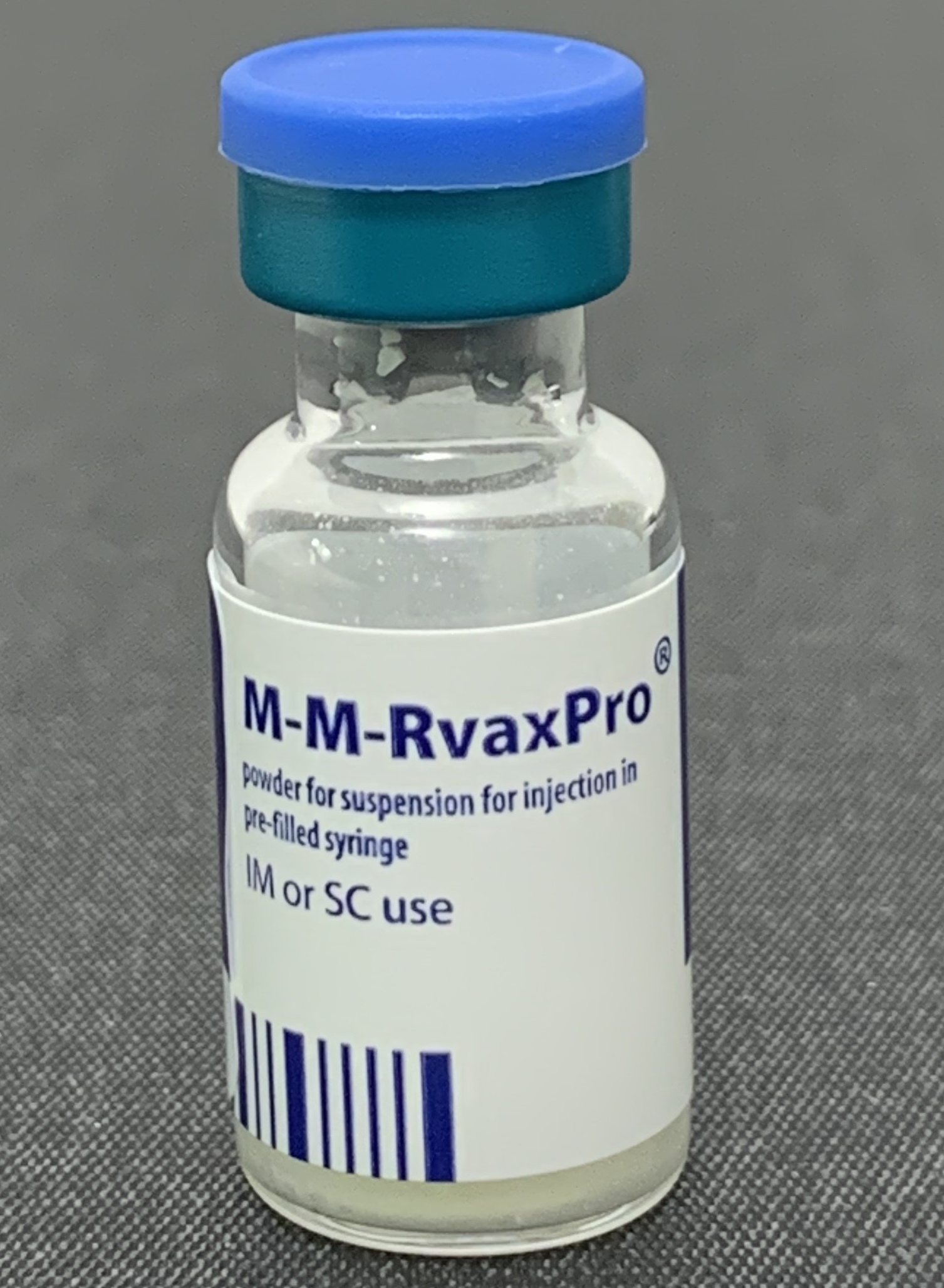
The WCHA statement said people who are not fully vaccinated, or unsure of their vaccination status, should contact a health care provider about receiving the measles, mumps and rubella (MMR) vaccine. For people up to date on their measles vaccines, the risk remains extremely low, the alliance stated.
The alliance also urged the Centers for Disease Control and Prevention (CDC) to support states in strengthening measles testing capacity for outbreak response.
Most health plans, including Medi-Cal, cover recommended vaccinations with no out-of-pocket costs, according to CDPH. Children without insurance may qualify for the Vaccines for Children Program, which provides no-cost vaccines for eligible children.