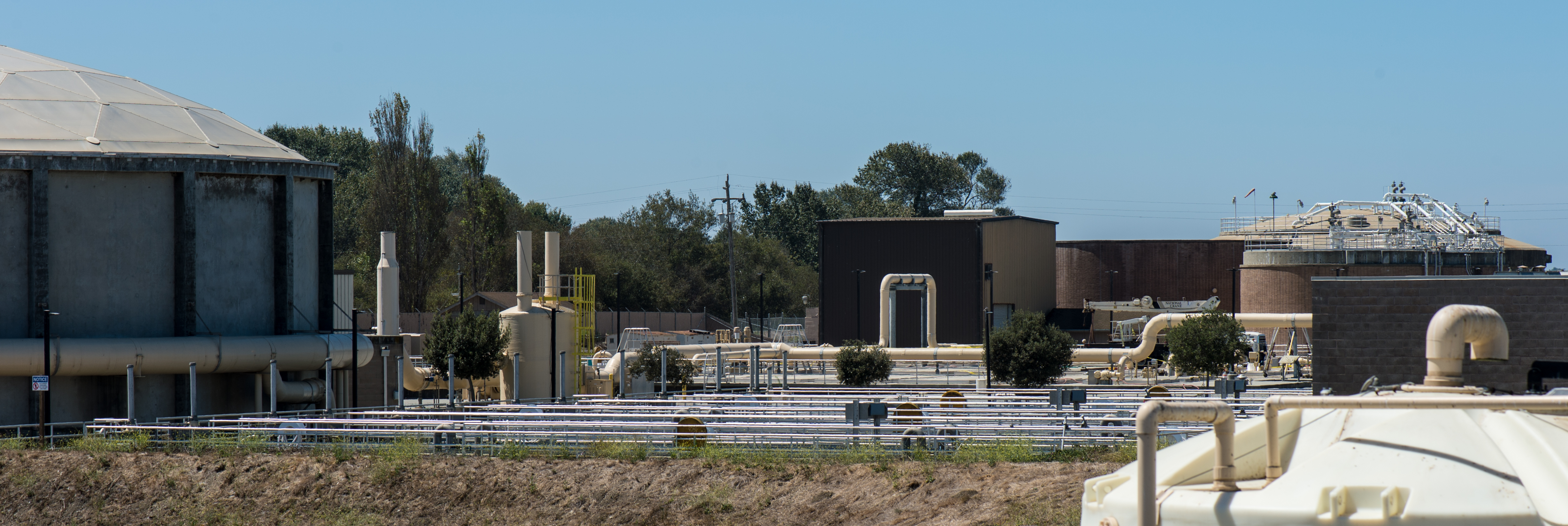
California American Water put the price tag for its Monterey Peninsula desalination plant at $825 million in an application filed Friday, Oct. 23, with the California Public Utilities Commission (CPUC).
The utility, known locally as Cal Am, said in a press release that the filing also proposes financing and ratemaking measures it estimates would reduce the impact on customers by $588 million over the project's 40-year life. The company did not detail the specific mechanisms behind that estimate, and no independent body has publicly reviewed the figure.
"To mitigate the impacts of the project costs, our application proposes financing and ratemaking measures estimated to reduce the impact on customers by $588 million over the 40-year life of the project," Cal Am President Sarah Leeper said in the release.
Why costs climbed
The CPUC authorized the desalination project in 2018 as the preferred solution to the peninsula's water supply shortage. Cal Am's press release attributed the cost increase to "lengthy approval and permitting processes, as well as continuous legal challenges" that extended the timeline and exposed the project to labor, material and legal cost escalation.
The original 2018 cost estimate was not included in the filing announcement.
Separately, Monterey Peninsula Water Management District (MPWMD) General Manager Dave Stoldt reported at the district's February 2026 board meeting that Cal Am's SEC Form 10-K showed $324 million in total desalination-project costs already on the books. That included $107 million in allowance for funds used during construction. Stoldt noted the project budget had not been updated since 2017. Whether the new $825 million figure includes those previously reported costs or represents additional spending was not addressed in Cal Am's announcement.
Permits still pending
The project has not broken ground.
The California Coastal Commission conditionally approved the desalination plant in November 2022, but that approval requires Cal Am to satisfy 20 conditions before it can obtain a building permit, according to MPWMD's project page. One condition requires approval from the City of Marina. As of a Sept. 28 MPWMD board discussion, unresolved conditions remained.
Water crisis backdrop
The filing lands as the peninsula faces a state-ordered limit on new water connections in place since 2009. The State Water Resources Control Board imposed the cease-and-desist order to protect the Carmel River, and it has restricted housing and business growth for nearly two decades.
The CPUC has confirmed the region could face an annual shortfall of 815 million gallons by 2050, according to a separate Cal Am press release from August 2026. Cal Am said it has reduced Carmel River pumping by 75 percent to date.
Cal Am described the desalination project as part of a three-pronged water supply plan that also includes expanded aquifer storage and recovery and the Pure Water Monterey recycled-water program.
What's next
No public responses from MPWMD, local elected officials or ratepayer advocates were available at publication. The CPUC will review the application, and Cal Am said it would continue working with regulators and local leaders on potential cost reductions.