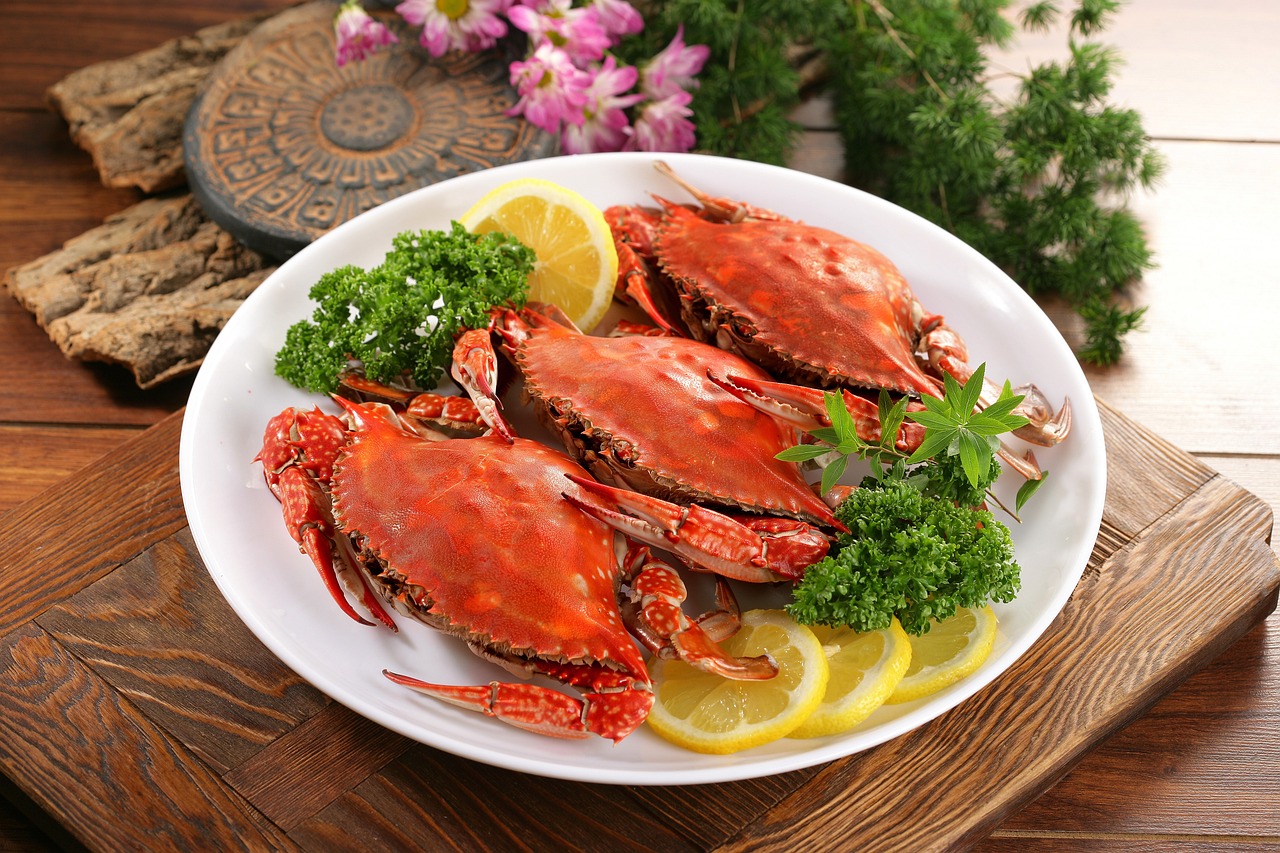
Commercial Dungeness crab fishermen along the California coast will have to wait until at least Jan. 7 to put out their gear, KAZU reported.
It is the seventh consecutive year the California Department of Fish and Wildlife (CDFW) has delayed the commercial season. The typical opener falls on Nov. 15.
The state has documented nine whale entanglements so far in 2026, with six occurring in Monterey Bay, according to KAZU. The CDFW announced Oct. 30 that it would delay the commercial and recreational Dungeness crab fisheries until at least Jan. 1, 2027, citing the entanglement count. A mid-December risk assessment will determine the actual opening date.
"It's really been driven by entanglements off of our coast," Ryan Bartling with CDFW told KAZU.
Bartling said humpback whales are the focal species but that leatherback sea turtles have been entangled as well. Delaying the season allows whales to migrate out of the area at lower risk, he said.
Under state regulations, the CDFW director must close the Dungeness crab fishery when three or more humpback whales are confirmed entangled in commercial crab gear, National Fisherman reported. The current entanglement evaluation score stands at 3.25, according to the CDFW's risk assessment data updated Oct. 23. Additional entanglements reported since August are pending federal review and could push that score higher.
A marine heatwave off the West Coast has intensified in recent weeks, according to the CDFW risk assessment. El Niño-driven warming may compress prey habitat closer to shore, elevating entanglement risk in nearshore areas.
CDFW Director Meghan Hertel said the department "remains committed to working collaboratively with all sectors across California to protect whales and turtles from entanglements in fishing gear," according to National Fisherman.
Holiday crab prices could climb. With California's commercial fishery closed and Oregon still conducting preseason testing, Dungeness crab available during the holidays will likely come from fisheries farther north, National Fisherman reported, citing Sacramento Bee reporting that tighter supply and transportation costs could push prices higher.
Moss Landing lab advances sea star comeback
Separately, scientists at the Sunflower Star Lab in Moss Landing are working to reintroduce sunflower sea stars to California waters. The species once kept purple sea urchin populations in check, protecting kelp forests. A catastrophic outbreak of sea star wasting disease beginning in 2013 killed an estimated six billion sunflower sea stars, roughly 95% of the global population, according to the California Ocean Protection Council.
"Since 2018, there hasn't been a sighting south of the Golden Gate Bridge," Ashley Kidd with the Sunflower Star Lab told KAZU.
Over the summer, the lab led a research project that placed 16 lab-grown sea stars at Tankers Reef in Monterey Bay, Monterey County NOW reported. Divers monitored the invertebrates for two hours at a time across several sessions over a couple of months.
The results were striking. The sea stars ate more than 3.5 starved urchins per day and grew over 50% in one month. One star traveled more than 50 meters in two hours. Their presence suppressed urchin activity up to five meters away. Overall survivorship was 88%; two of the 16 stars died, with one testing positive for the bacterium that causes wasting disease.
Reuven Bank, executive director of the Sunflower Star Lab, told Monterey County NOW that permanent reintroduction could happen within one to three years. The team plans longer studies next summer, with El Niño conditions offering a chance to measure how the stars fare in warmer water.